Dr. Angus’s Tips for Settling Your Cat into Your New Home


tips for settling in your catAt Jetpets, we like to help you make the pet travel process as easy and stress-free as possible for you and your furbaby. However, it’s important to remember that the travel process goes beyond the pick up from the airport or transit lounge, your furbabies will still need some time to get used to their new home and the new sights, smells and sounds that come with it. This is especially true for cats, as they are creatures of comfort and can take longer to acclimatise when compared to their dog counterparts.

We’re very fortunate to have expert in-house vets at Jetpets and we’ve asked Dr. Angus for his advice and top tips when it comes to helping your cat settling into your new home.


Phase 1: ‘Safe Mode’

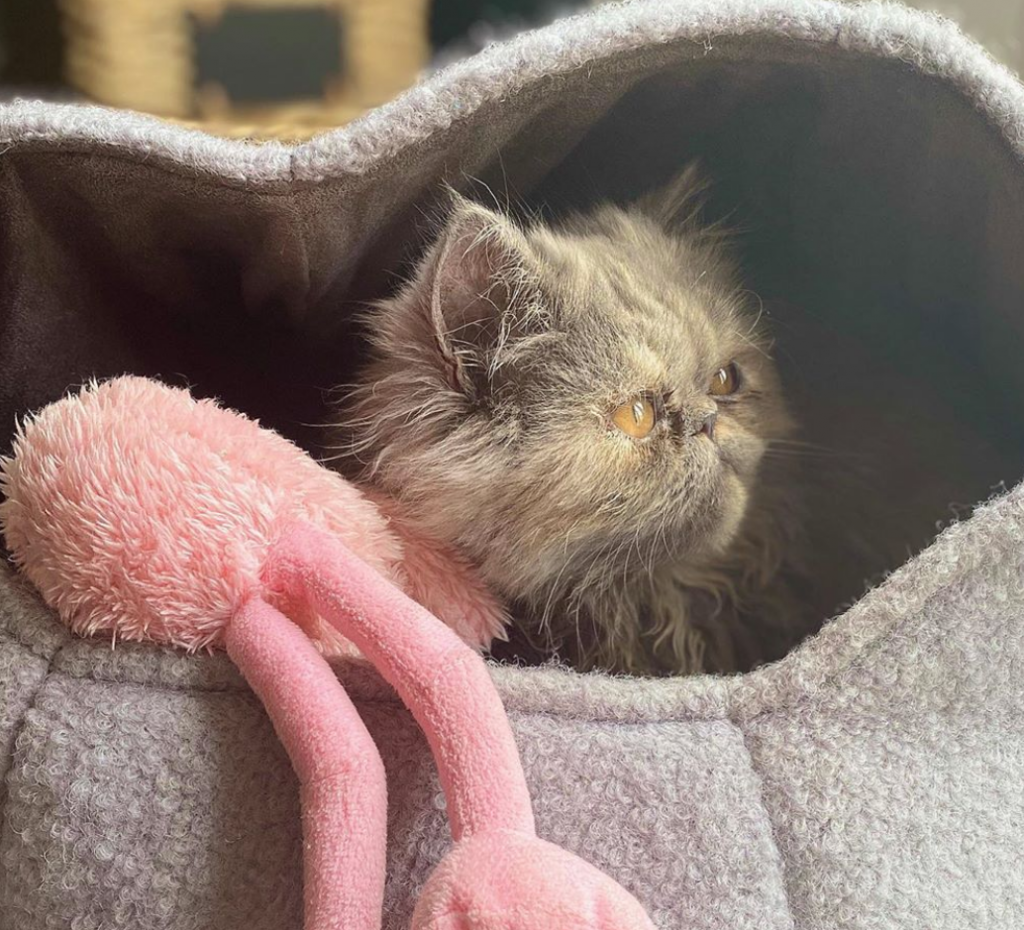
Cats are usually quite bonded to their home territory so tend not to appreciate the time, expense and effort that you’ve gone to in relocating them with you – not initially anyway… Once they leave their established home most cats will go in to ‘safe mode’ whereby they will ‘lay low’ and ‘sit tight’- as in they will retreat to the back of their travel crate and maintain a low body and head posture to try and remain as ‘invisible’ as possible; this is a natural self-protective response employed by cats. We should, however, mention that there is a small cohort of outliers among the cat population who are a bit more outgoing; these are the ‘confident’ cats who will be at the front of the crate looking for any attention they can get. Having said that; the following advice applies to all cats.

cat safe mode

Image: @exoticblume

On receiving your intrepid feline adventurer (or bag of nerves – whatever the case may be) on arrival either at the airport or if they are delivered to your doorstep the most important thing to remember is, no matter how much you want to give them a reassuring scratch around the ears,
do not under any circumstances open the crate in an uncontained area. A cat that escapes in an unfamiliar area, no matter how friendly/easy going/dog-like they are normally is very likely to bolt and may be lost forever.


Phase 2: Allocate a ‘Safe Room’

So, once you’ve got them to their new home; it’s best to allocate them their own room for starters – preferably one without hiding places behind heavy electrical devices like fridges and washing machines.

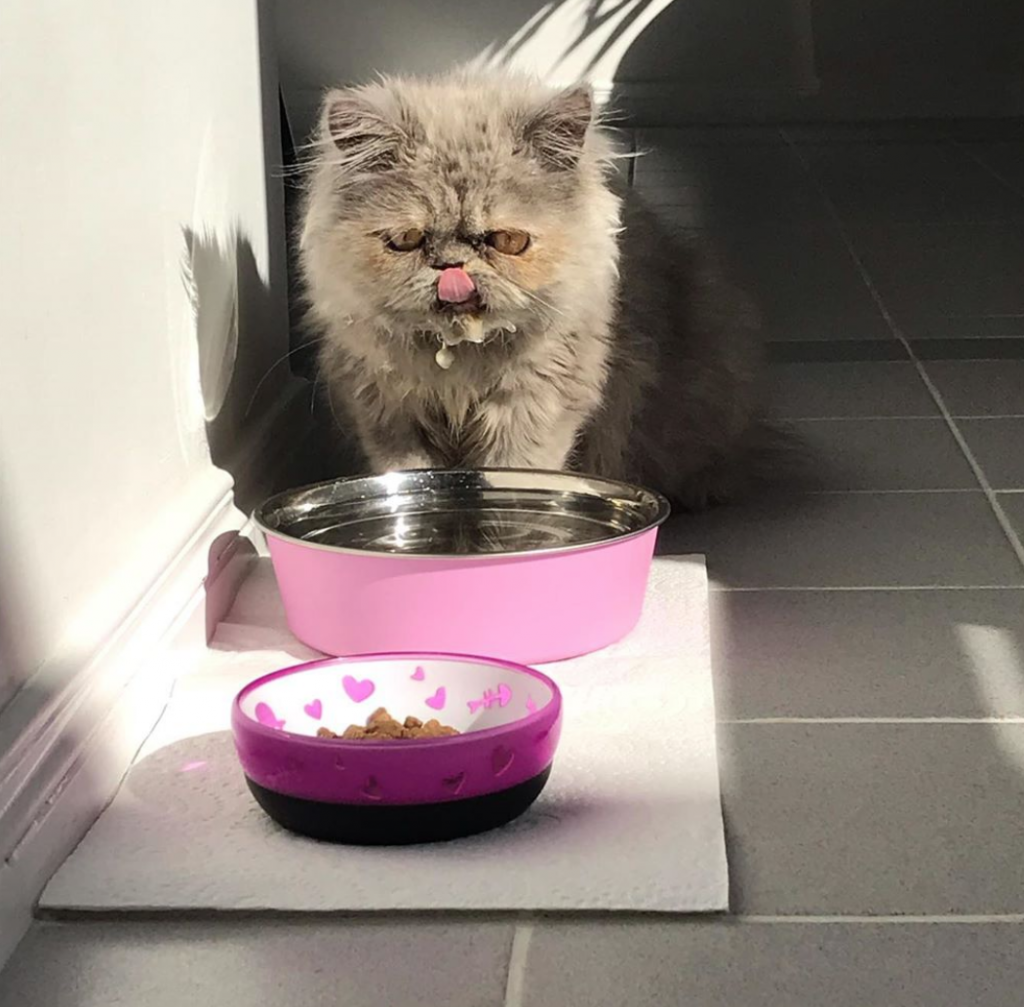
In this room you’ll need at least one good-sized litter tray filled with their preferred litter (if they have a preference) and at the opposite end of the room a bowl of clean water (preferably bottled water – some cats may not initially drink tap water that tastes ‘different’ due to chlorination, different pipes etc.) and a selection of their favourite food – we’re talking the expensive stuff here; prawns, salmon, venison – you’ve spent enough to cover a business class airfare on them so you may as well splash out on some business class tucker too. Your cat will of course reciprocate (OK, punish you) and expect you to eat beans on toast for a few weeks.

cat eating

Image: @exoticblume

Also, in their initial ‘safe room’ you’ll need a comfortable hiding place such as an igloo. You may be able to use the travel crate as this hiding place but first check that the Stay Dry mat hasn’t been soiled – turn it over to check for any tell-tale marks on the underside as it will, as given away by the name, be dry on top. If need be tip out the bedding from the crate and replace it with clean bedding.

Highly recommended for the ‘safe room’ is a Feliway plug-in diffuser, this will help indicate to your cat that this is a safe area and help them to settle/calm down more quickly.

It’s best to open the crate in the ‘safe room’ and let your cat come out of their own accord – most will within a few minutes but a few may need a little coaxing. Most cats will then carry out a ‘sweep’ checking for the presence of any other cats – in other words this is the first stage of establishing their new territory. They may vocalise while undertaking this sweep and may want to jump up onto any high surfaces such as cabinets, shelves etc. to get a better view of their surroundings.

Once they’ve established that the area is theirs and theirs alone then they will begin to relax and possibly even come and say hello to you (and check that you haven’t been cheating on them with any other cats during their absence…). Once you’ve reached this point you can leave them to relax further in their new bit territory by giving them some peace and quiet and time to have a bite to eat and use the tiger-latrine.

Phase 3: Time to Explore

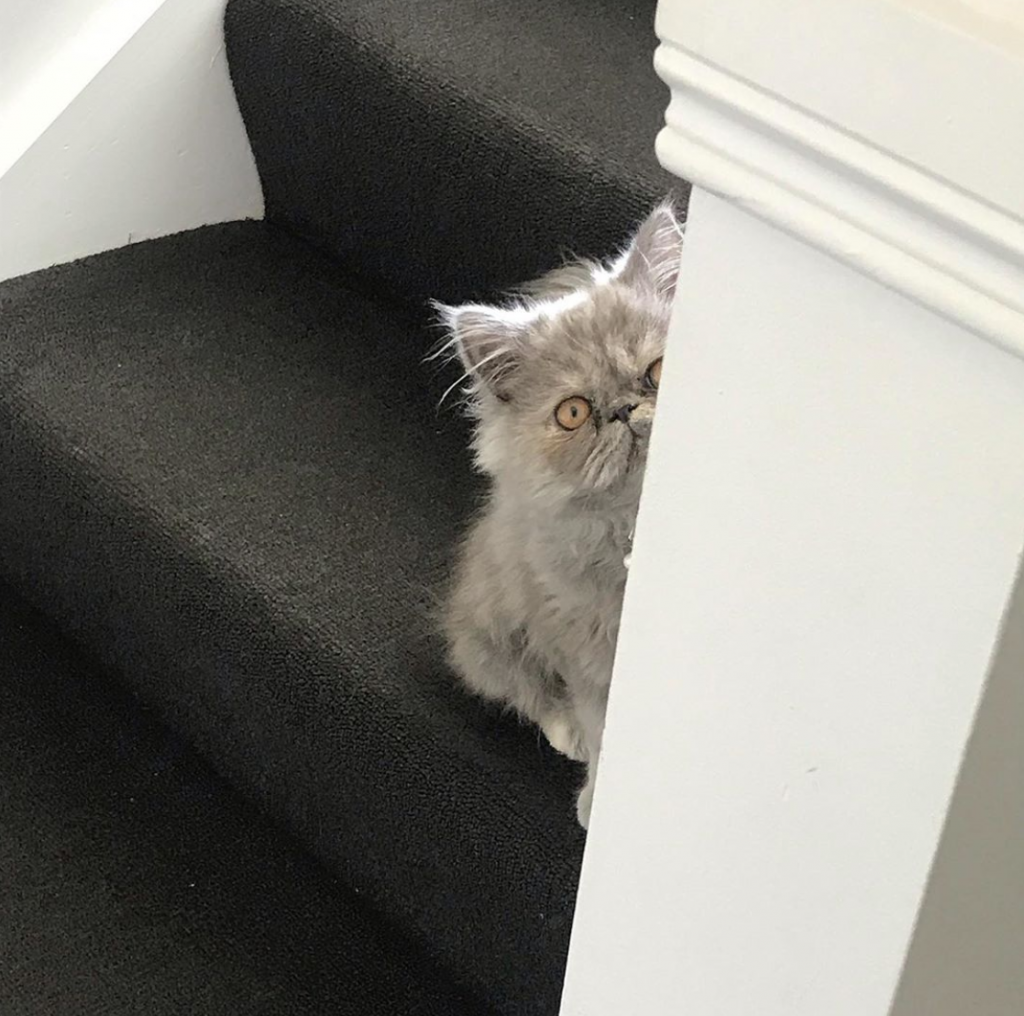
cat hiding

Image: @exoticblume

Sooner or later there will be a request to have a look through the door and find out what’s in the next room. If you’re happy to, and provided all exits are closed, you can let them through and they will then repeat the process of checking that they have exclusive rights to this new bit of territory.

You can then progressively introduce them to as much of their new home as they feel comfortable being introduced to. But remember always ensure that all outside exits are closed!!

You do not want to let your cat out into the open until you are completely confident that they are well established in and bonded to their new indoor territory. There is no hard and fast rule as to how long this establishment or bonding takes (some people say two weeks others say up to six) as it very much depends on your cat’s individual temperament. Ultimately you need to be confident that they have established their indoor territory as a safe place where if they are outside and something scares them then then their automatic response is to retreat to the house.

Phase 4: Out and About (this only applies to cats who are not indoor-only)

Most cats will pretty quickly in the first couple of days after arrival in their new home begin to show an interest in the outside world and begin to ‘ask’ to go outside – it’s best to take a conservative approach to this and don’t give in to them too soon until you are comfortable that they will come back to the house rather than launch into an epic journey to try and return to their previous home.

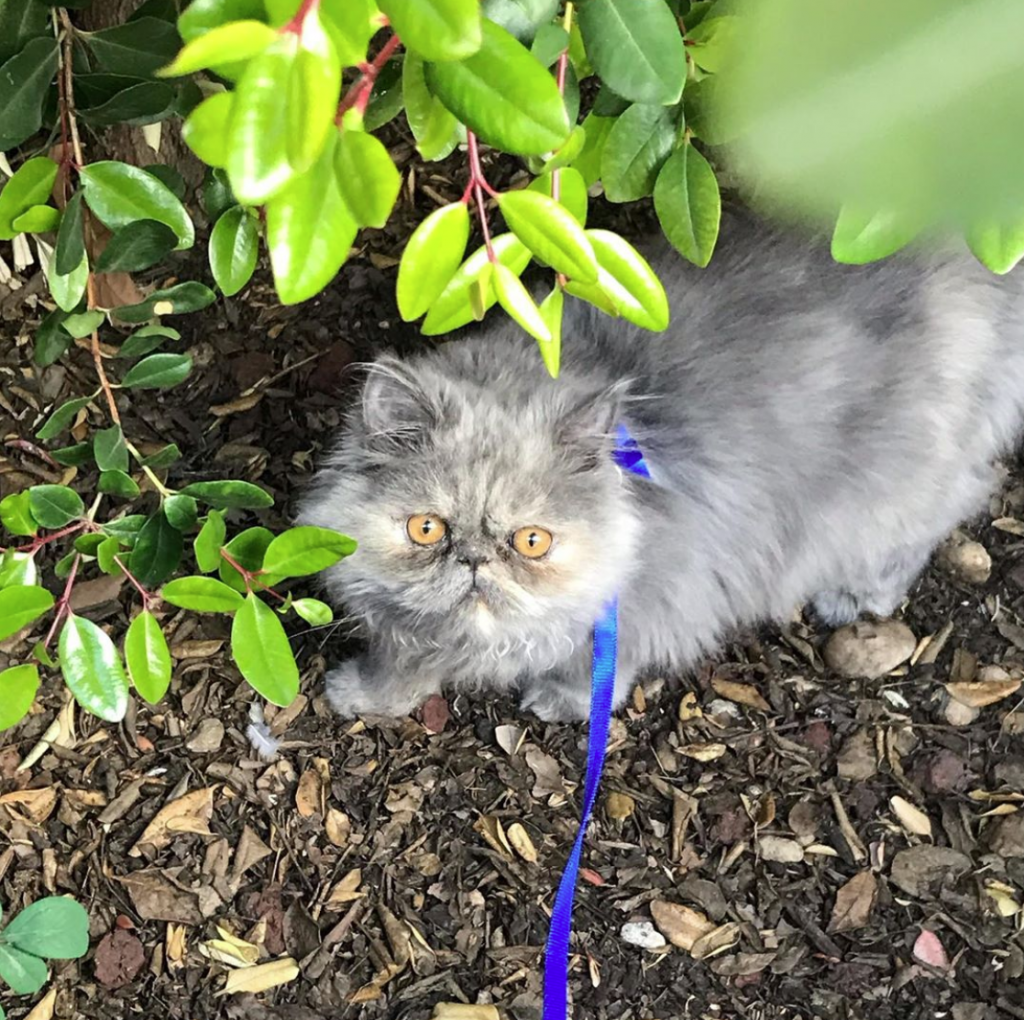
When you do let them out for the first time this is best done under close supervision letting them explore in, preferably, an enclosed area and only at ground level few minutes or until they start looking to jump or climb before returning them inside. You can then repeat these supervised
outings for longer periods of time and always make sure that there is a clear way back into the house through an open door. Cats do not understand or respect roads and traffic so you always need to be aware of busy roads if they are nearby.

cat outdoors

Image: @exoticblume

A good time to let your cat out for the first time is prior to a meal. Initially you can take them back in and feed them and then once they’re more relaxed outside put their food out just inside the door and allow them to come in under their own steam. Once your cat has explored your
immediate garden and has chosen a ‘favourite spot’ where they are comfortable sitting and watching the world go by, and will come in for food when called, then you can at last consider your cat’s relocation a success.

But always remember with all cats that curiosity will often lead them further afield; this typically occurs during hours of darkness so it is recommended to keep cats indoors at night both for their own safety and to mitigate impacts on local bird and wildlife populations.

Helping Your Dog Settle Into Their New Home in New Zealand

Jetpets Resident Vet Dr. Angus provides his top tips to help your dog adjust to your new home in New Zealand

One of the questions we are asked most often after a pet arrives is, “Will my dog be okay after the journey?”

After many years of helping pets travel, we’ve learnt that dogs are remarkably resilient. Our favourite part of the pet travel journey is seeing pets reunited with their family after their flight. The excitement of seeing a familiar face often outweighs everything that came before it. Once your fur-family member is back with the people they know and love, most dogs settle far more quickly than their owners expect.

That doesn’t mean the adjustment happens overnight. A new home brings unfamiliar smells, different routines and a completely new environment to explore. Just like people, every dog responds differently to change.

The good news is that there are a few simple things you can do to help your dog settle in and start enjoying their new home.
Give Your Dog Time to Adjust

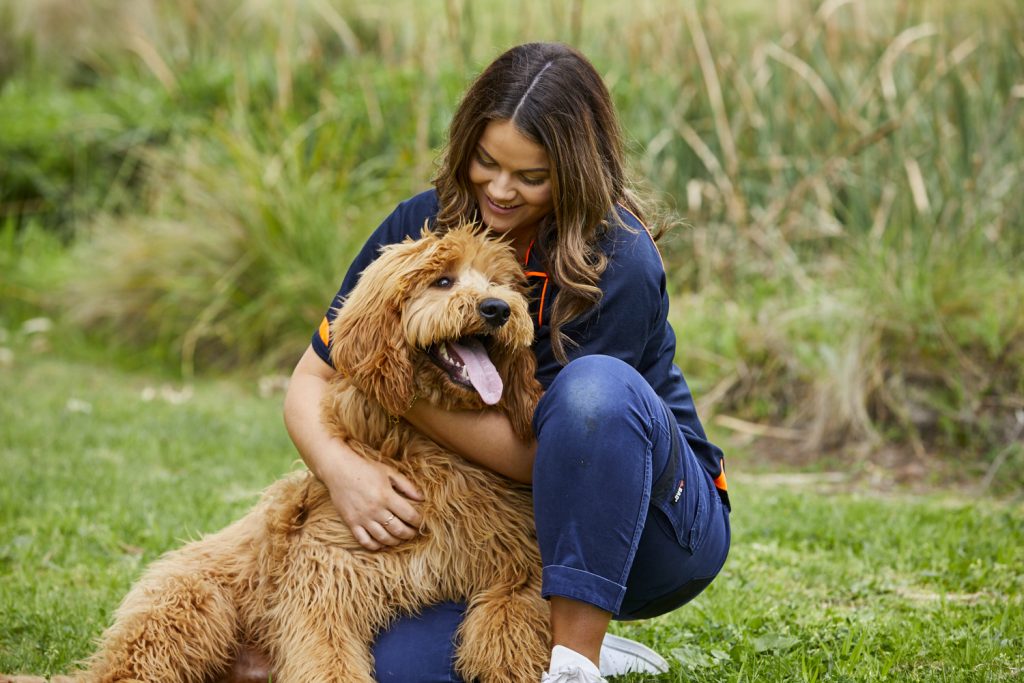
One thing we often notice at Jetpets is that owners are usually more worried than their dogs.

Some dogs will confidently explore every corner of their new home within minutes, while others will stay close to their family until they feel comfortable enough to venture further. Both responses are completely normal.

Rather than encouraging your dog to investigate everything at once, let them settle at their own pace. Give them time to take in the new sights, smells and sounds without feeling overwhelmed.

Remember, the biggest source of comfort for your dog isn’t the house itself. It’s being back with the people they know and trust – you!

Keep Their Routine As Familiar As Possible

While your surroundings may have changed, your dog’s daily routine doesn’t have to.

Dogs thrive on consistency, so maintaining their usual feeding times, walks, play sessions and bedtime routine can help provide reassurance during a period of change.

Familiar items such as their bed, favourite toys and blankets can also provide comfort while they adjust. These familiar scents help create a sense of security, even when everything else feels new.

At Jetpets, one of the most common pieces of advice we give families before they collect their pet is to focus on routine first. Once your dog understands that their favourite people, meals and daily activities haven’t changed, settling into a new home often becomes much easier.

Make Safety Your First Priority
There’s always plenty of excitement when your dog arrives home, but before they start exploring, it’s worth taking a few minutes to make sure your property is secure.

Check that fences are intact, gates close properly and there are no gaps or areas where an adventurous dog could escape. If you’ve moved somewhere with neighbouring dogs, busy roads or larger outdoor spaces, think about how your dog will safely explore these areas over the coming days.

When pets move to a new home, there’s a chance that if they get out, they won’t be able to find their way back. A CareTag gives an extra, high-tech layer of safety as your pet transitions to their new home and is exclusive to Jetpets. Why choose a Caretag over anything else?

  • Each CareTag has a unique QR code which anyone with a smartphone camera can scan (no special app required).
  • Your pet’s finder will be able to see critical details about your pet, including your contact information, but also urgent health alerts that the person should know (e.g., your pet requires insulin or has a severe allergy).
  • When your CareTag is scanned, you receive the finder’s GPS location and contact information.

Taking a few simple precautions now can help avoid unnecessary stress later. If you would like more information on Caretag’s please speak to your Jetpets Pet Travel Consultant.

Keep Your Dog on a Lead While They Learn
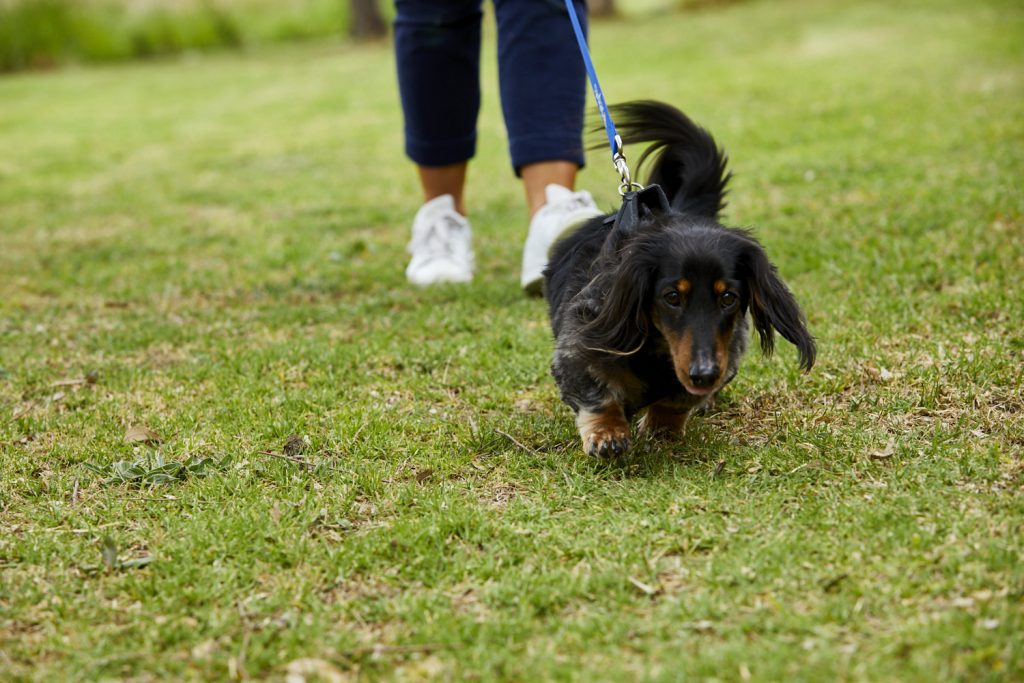
Their New Surroundings

This may sound obvious, but it’s one of the most important pieces of advice we can give.

Even if your dog has excellent recall, everything around them is unfamiliar. New smells, different walking routes and the excitement of a new environment can all be distracting.

One of the few moments that still gives our team butterflies is seeing an excited dog in an unfamiliar car park after collection. We always recommend keeping your dog safely on a lead from the moment you collect them until they’re comfortably settled into their new surroundings.

Giving your dog time to learn where “home” is before allowing them off lead is one of the simplest ways to keep them safe.

Visit Your Local Veterinarian
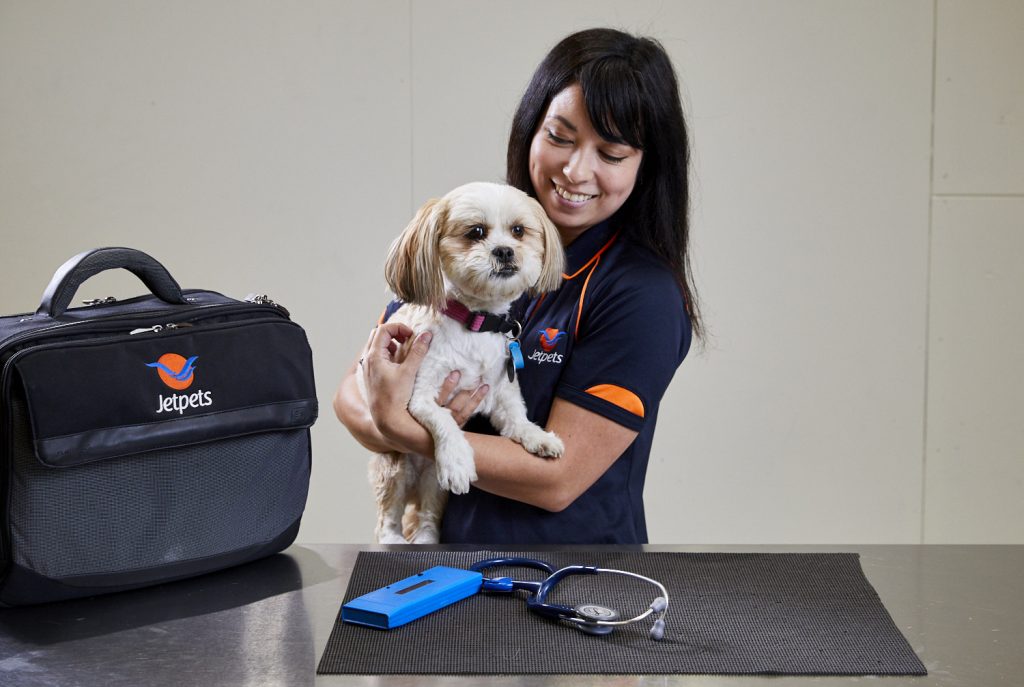
Once you’ve had a chance to unpack and settle into your new home, it’s a good idea to introduce yourself to your local veterinarian.

Your vet can update your dog’s microchip details, recommend any preventative treatments that are appropriate for your local area and make sure vaccinations are up to date.

Even if your dog is perfectly healthy, establishing a relationship with a local clinic before you need one gives you peace of mind and ensures support is close by should you ever need it.

Remember That Every Dog Is Different

One thing we have learnt over the years is that there is no single “normal” when it comes to helping dogs settle after a move.

Some will behave as though they’ve lived there forever. Others might take a few days to relax and find their confidence.

Be patient, keep their routine consistent and give them plenty of reassurance. In most cases, you’ll soon start to see them exploring more, playing more and settling into family life just as they always have.

Helping Families Start Their Next Chapter

From helping families prepare for travel to welcoming pets on arrival and providing advice for those first few days at home, we’re here to support you throughout your relocation journey.

Seeing dogs reunited with their families is one of the most rewarding parts of what we do. Knowing they’re safely home and beginning to settle into their new surroundings is exactly why we love helping pets travel!

Whether you’re relocating within New Zealand or planning an international move, our experienced team is here to help make every stage of your pet’s journey as smooth, safe and stress-free as possible.

Winter Pet Fashion

We all love dressing our pets up in cute outfits and with the arrival of winter, you now have another great reason to get shopping! Winter is the best time to have fun and choose fashionable outfits for your pets to keep them warm and stylish throughout the cooler seasons.

With the exposure to harsh temperatures during the day and freezing cold nights, it’s important to protect your furry friend with extra layers that are practical and fashion-forward.

Many smaller breeds who have light layers of fur may have difficulty keeping themselves warm in cooler times of the year, especially when outdoors. This also applies to our senior companions who can have difficulty regulating their body temperature. That’s why it’s vital to dress them in functional clothing to protect them from the cold and keep them happy and stylish during winter.

Need some advice on what to dress your pets in this winter? Read on below for the winter essentials your pet needs now.

Winter Fashion For Your Pet | Jetpets | Fashion | Pet Fashion | Pet Flights Domestic

A Jacket:

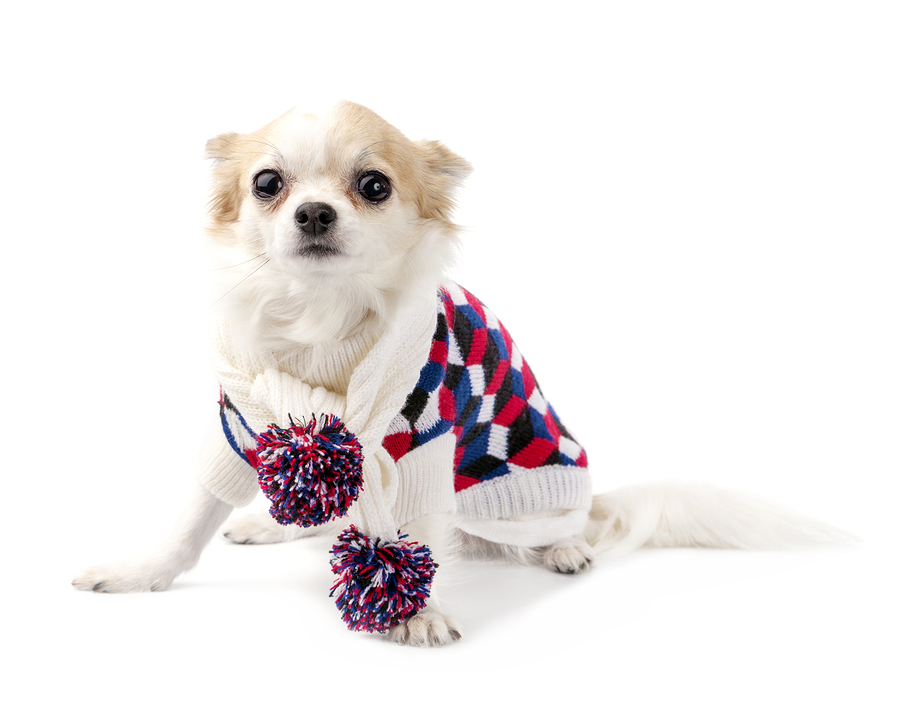
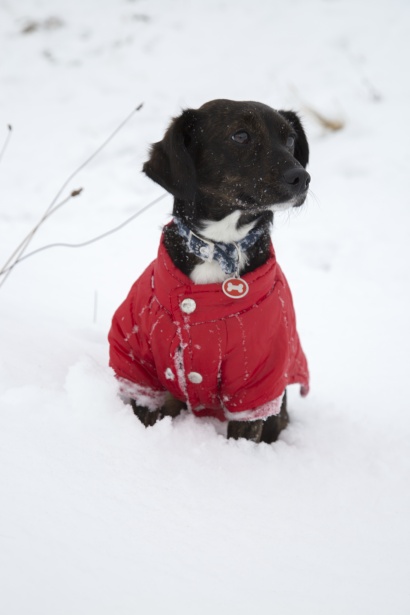
You can’t go wrong with a great jacket for all pets big and small. For those very cool days that are spent outdoors, a thicker waterproof jacket that covers your pet’s stomach and the majority of their body is best, however for days spent indoors a lightweight jacket or jumper will suffice. Have some fun and choose styles with cute colours and prints including leopard print, cameo, stripes or bold geometric shapes. Just make sure you steer clear of jackets with zips, buttons or additional detailing that your pet may chew off.

A Jumper:

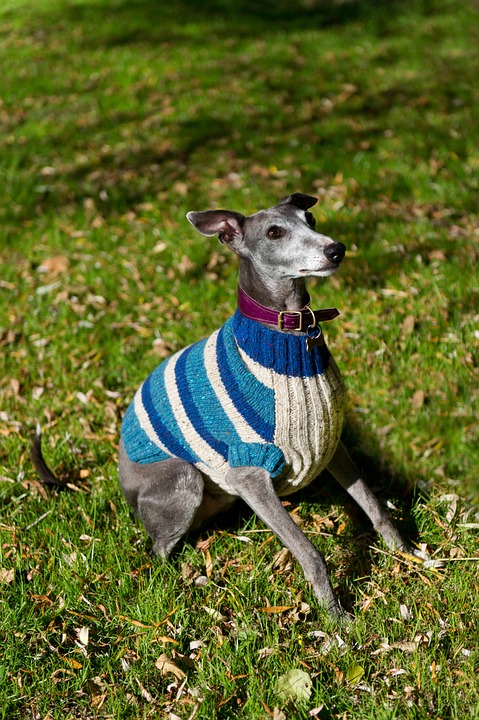
If you are spending the day indoors, a jumper is a great alternative to a jacket for your pet. There are many options to choose from, like a classic knitted sweater, to a too-cool for school hoodie. A wool blend jumper is a great option for all pets as it keeps them nice and warm without irritating their skin. For comfort and practicality, a hoodie is ideal for active pets. The hood can keep their ears and head warm and the stretchy fabric makes it easy for them to play and exercise no matter where you are!

A few things to remember when buying an item of clothing to keep your pets warm this winter include:

  • Ensure that the item cannot be easily pulled off
  • Check the size, making sure it fits your pet correctly and is comfortable to wear
  • Check the item doesn’t drag on the ground
  • Ensure it isn’t too tight, especially around the neck
  • Check that it doesn’t get caught on anything during normal movement and activities

Does your pet have a favourite piece of clothing that they love to wear in winter? Comment and share what it is with us on Facebook.

Winter Fashion For Your Pet | Jetpets | Fashion | Pet Fashion | Pet Flights Domestic


Winter Tips for Your Pet

With the cooler weather well and truly upon us, we are often asked by owners about their pet’s needs in winter.

So we thought we’d clear things up! Here are the answers to some of our most frequently asked questions…

Winter Blues - how to look after your dog or cat in winterQ: Is it important to exercise our pets in winter, even when it’s freezing outside? 

A: Winter activities will vary widely depending on what kind of pet you have, their personality, and the severity of the weather. When it comes to dogs, they really need to get out all year round, even in colder weather. Dogs who really enjoy the outdoors and colder temperatures can have just as much exercise in the winter as the summer. You can keep your walks shorter for those who don’t enjoy the winter weather as much.

Q: Are coats and jackets a good idea for pets who spend time outside during winter?

A: Some dogs with thin coats will benefit from a jacket, and find freezing temperatures much more enjoyable with the extra layer!

Q: Does my dog or cat need to eat more in winter to help survive the cold?

A: Because people and animals often are less active in the winter months, we often find that people need to feed their dogs less during the winter. If you and your dog are very active, or if your dog is primarily outside, then you may need to increase their food proportionally.

dog in winter

Q: Does my pet still need lots of fresh water, even though it’s cold outside and they may not be as thirsty?

A: Fresh water is always necessary, even if your dog isn’t drinking as much as during the hot summer.

Our Top Winter Tips:

Cold winter days can be particularly uncomfortable for slim, younger or older dogs when it comes to nap time. We suggest elevating their bed off the ground where possible, and placing a hot water bottle (with warm not boiling water) into their bed or kennel. This will soon make for a comfortable place to rest

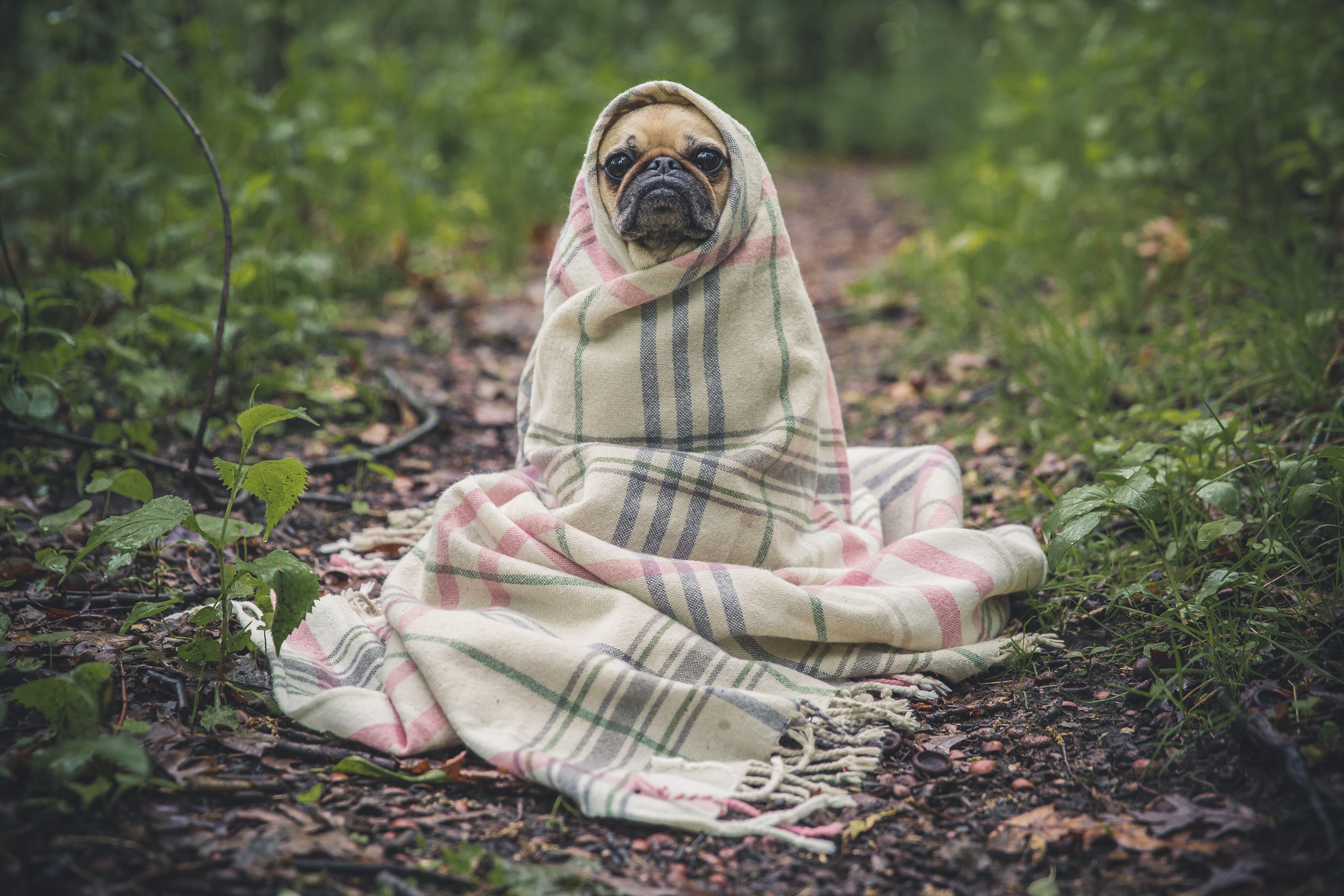
pug in blanket

Top 5 Pet Friendly Cafes in Wellington

Here at Jetpets, we love any excuse to get out to our local cafes with our dogs! What’s better than spending your morning with a cup of coffee and man’s best friend by your side? Here are our picks of dog friendly cafes in Wellington.

Beach Babylon

232 Oriental Parade, Oriental Bay

Beach Babylon is the ultimate pet friendly café. Not only do they welcome dogs of all shapes and sizes, they also provide comfortable dog beds and water bowls for all furry visitors. Don’t leave your dog out; order them a pupsicle or dogaccino from the k9 menu!

Image courtesy of Beach Babylon

Rougue and Vagabond

18 Garrett St, Wellington

Nothing says ‘summer’ more than a drink at the local pub on a warm summers afternoon. Rougue and Vagabond is the perfect location for those that want to bring their dogs along too! Dogs are welcome to enjoy the sunshine with their owners in the outdoor garden area.

Carlton Café

44 Coutts St, Kilbirnie

Carlton Café is a suburban hotspot. Head down to grab a coffee and a slice of cake in the courtyard and bring your dog too for a relaxing day in the sun!

Mojo Poneke

1 Clyde Quay Wharf, Te Aro

Mojo Poneke is located right on the waterfront of Clyde Warf. Dogs are welcome at this sea-side cafe in all outdoor areas. Get down early and enjoy the sunrise with your furry-friend!

Picnic Café

101 Glenmore St, Thorndon

Wellington’s Botanic Gardens are a must-see when visiting the North Island. Take your dog for a walk through the pet friendly gardens, then stop off at Picnic Café for a brew. You and your dog are sure to enjoy a day in the idyllic Botanic Gardens!


What are your favourite cafes to hit up with your dog? Let us know on Facebook!


How to Keep Your Pets Cool in Summer

Summer has finally arrived, which means holidays, beach days and barbeques! As the winter coats go away and the air conditioners go on, it’s important to make sure we help keep our pets cool as the temperature rises.

Not sure where to start? Here are our tips on how to keep your pets cool throughout summer!

DIY Ice Treats:

Ice treats are a great way to encourage your pet to stay cool and hydrated in the hot weather!

Here’s a quick and easy recipe for DIY ice treats:

  1. Place a few of your pets favourite treats in an ice tray (suitable for smaller dogs) or an empty ice cream container (suitable for larger dogs)
  2. Fill with water. To add a bit of flavor you can mix in some beef stock or gravy powder!
  3. Tip the treat out and watch as your pet enjoys their new treat! It’s a great idea to place the ice treat into an empty food bowl so there’s not as much clean up afterwards!

Pool Time:

Kiddie pools are a great way to help keep your pets cool in the warmer weather. Dogs can splash around and even drink! Alternatively, you can get out the garden hose and splash your pet, (as long as they are enjoying it!)

Stay Inside:

During the hot weather, it’s a good idea to keep your animals inside. If your pet normally sleeps outside, consider bringing them inside on warm nights, especially if you are lucky enough to have air conditioning. Like us, once they get hot it is hard for our pets to cool down, so its best to keep them cool before the weather heats up.

Smaller animals such as birds and rabbits can be quite heat sensitive too. If you can’t bring them inside then try to move their cages to a shaded area, and drape wet towels over their cage. And always make sure your pets have fresh water

Wet Their Feet:

As cats and dogs don’t sweat, it’s important for us to do what we can to help them regulate their body temperature. Dogs and cats regulate heat through their feet and paws, so dipping their feet in water will help cool them down.

Exercise:

It’s important for our pets to keep active despite how warm or cool it may be, so you may have to adapt their exercise schedule in line with the weather. During the warmer months, it’s a great idea to exercise your animals early in the morning, or in the evening to avoid peak temperatures. Here’s a list of our favourite pet-friendly destination’s in New Zealand if you’re lacking some inspiration!

summer

The Silly Season is upon us!

We can barely believe it, it’s almost Christmas time! Life can get a bit crazy at this time of the year, with all of the late night shopping and travelling. It’s important to remember that the holiday season is all about spending time with loved ones (and this includes our pets!) Here are a few ways you can celebrate with your pets this silly season.

Check out the Christmas lights:

Visiting your local Christmas lights is one of the best parts of the silly season! Why not bring along your dog while you admire the best Christmas displays? Some houses even provide water and treats for dogs passing by on warm summer nights!

If you’re in Christchurch then you’re in luck. Christchurch is without a doubt, the Christmas lights capital of the Southern hemisphere! Click here to check out your local Christmas lights!

Photoshoot Time:

Christmas is all about spending time with loved ones, and creating memories that will last a lifetime. So why not have a photoshoot? Set up your self-timer, or grab a friend and take some family portraits with your pets!

If your pet will let you, dress them up! Grab a Santa hat for your dog, or tie a red ribbon around your cats collar to get them into that festive spirit!

Customise Christmas Cards:

Now that you’ve got some seriously cute family photos, why not customise your own Christmas cards? Your family and friends will no doubt love receiving a cute picture of your pet in the post!

Go Shopping:

Since you’re going to be doing a lot of shopping anyway, you might as well pick up a few gifts for your pets! Cats and dogs can be seriously inquisitive, so they will probably want to help you unwrap some gifts on Christmas day! Buy them their own Christmas stocking and fill it up with treats you know they will love.

Treats:

One of the best parts about Christmas is sharing delicious food with family and friends. Treat your pet on Christmas day and serve up their favourite food or treats! Why not serve up a frozen chicken neck to your dog on a warm Christmas day, or even bake your own pet-friendly cookies.

Chritsmas

How do you get your pet involved in Christmas celebrations? Let us know on Facebook!

5 Pet-friendly Destinations in New Zealand (To Head To Now!)

Whether you’re visiting from overseas or just looking for a weekend getaway, New Zealand has many amazing pet-friendly destinations to discover.

Here are a few of our favourites:

Botanic Gardens – Wellington

The Wellington Botanic Gardens are spread across 25 hectares of protected forest and colorful floral displays. The Botanic Gardens might just be the ultimate pet-friendly destination, with plenty of room to run and play, it’s virtually any dogs dream! Dogs are allowed into the Botanic Gardens all year round, as long as they are on a lead.

A quick car journey through the city’s centre will bring you to Beach Babylon, a café that caters to pups of all shapes and sizes. Order your furry-friend a pupsicle or dogachino after a long day of running around the gardens.

Meola Reef – Auckland

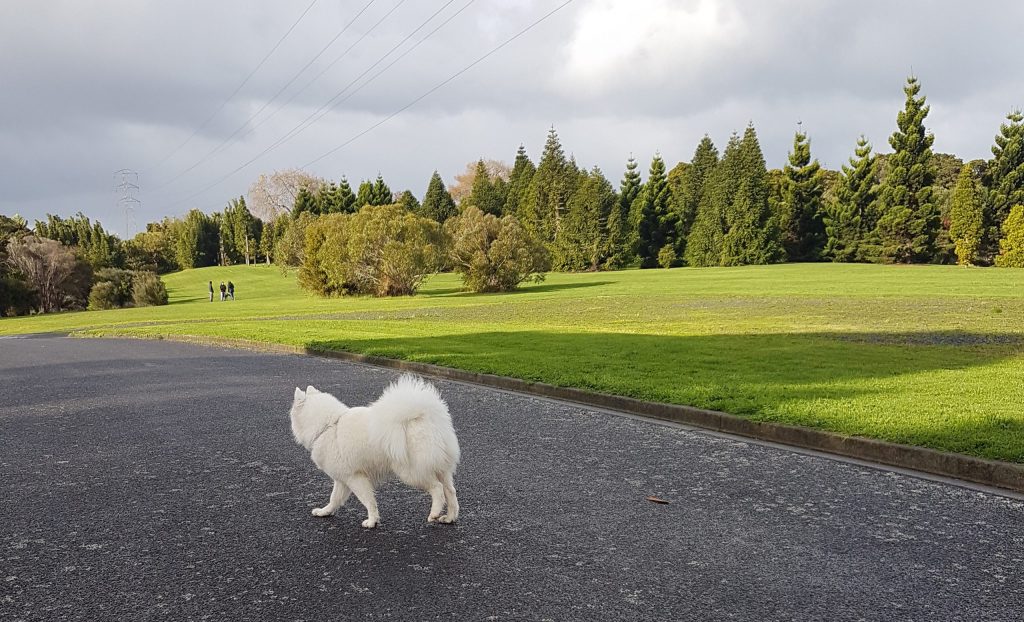
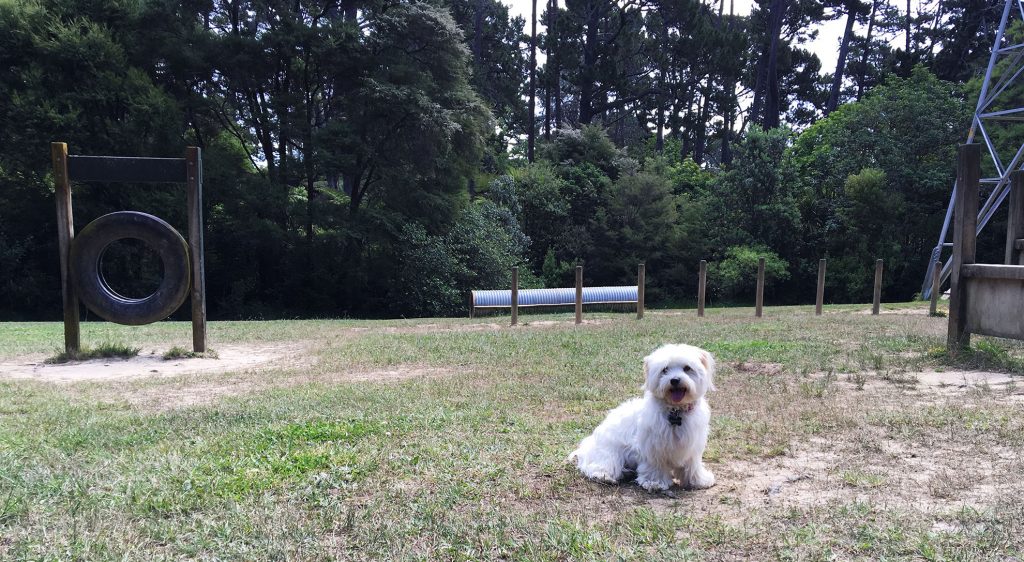
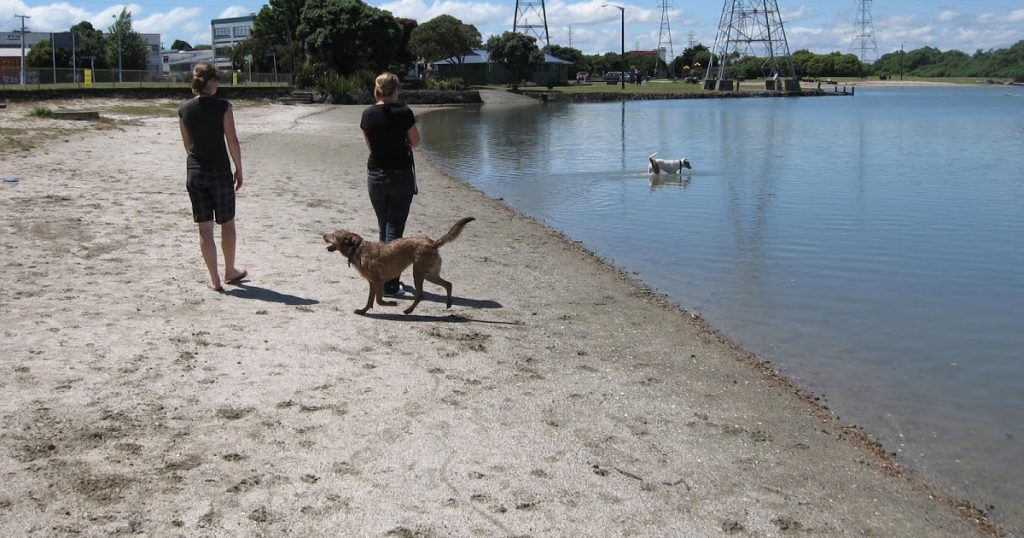
If you’re on the hunt for a great dog park in Auckland, this is definitely one to try! Meola Reef is open to dogs off the lead, all the time, it’s practically a dogs dream playground! Off the lead areas are fenced, so there is no need to worry about those pups that love to run, and run, and run.

Bottle Lake Forest Park – Christchurch

Amongst the hustle and bustle of busy Christchurch is the Bottle Lake Forest Park. Located 10km north of the city centre rests this beautiful protected forest. Entry to the park is free meaning that it’s a great place to visit with your pup all year round. Dogs are welcome in the park as long as they are under effective control.

On the east side of the forest is Waimairi Beach, a great walking spot for humans and their furry friends! Remember to bring a towel with you; otherwise things might get a bit messy.

Hamilton Gardens

Located half way between Auckland and Rotorua, the Hamilton Gardens are a great place to stop off to stretch your legs, and let your pup roam around. The picturesque gardens are a hotspot for local dog lovers, especially in the springtime! Dogs are permitted in all public gardens as long as they are on a lead.

Rotorua

Rotorua is a tourism hotspot, thanks to its geothermal hot springs and its unique landscape. Head to the Whakarewarewa Forest and The Redwoods to experience one of the most stunning walking paths you and the pup have ever seen! If you feel like exploring on your own, take a stroll through several scenic walking tracks. Educational guided tours are also available too

Dog playing outside

Do you have any favourite pet-friendly spots you’d like us to add to the list? Share them with us on Facebook.


Fun Spring Activities To Do With Your Pet

Spring has sprung and we are celebrating the warmer weather by taking our pooches outdoors and having some fun in the sun!

There are a great range of fun activities you can do with your furry friend now, from beach walks, doggy playdates and even camping!

We’ve rounded up our favourite activities below.

Spring

Have a doggy playdate:

Since the weather has warmed up, it’s time to leave the house and get social! There’s no better way to do that then by bringing along your bestie and their pooch and going on a doggy date. We love heading to a local pet-friendly café or going on a big weekend walk for a catch-up your pets will love.

Head to the beach:

Suns out so it’s time to hit the beach! There are great selections of dog-friendly beaches here in New Zealand so you have countless of options to choose from. Go to your local beach, or make a day of it by packing up the car and taking your canine companion on a beach trip they’ll remember.

Go camping:

If you’ve ever wanted to embrace the outdoors and get back to nature then now is the time. Camping with your pup will make for a fun weekend adventure! Just make sure to select pet-friendly campsites, take plenty of treats, warm clothes (as the nights still tend to be chilly) and make sure there’s enough room in the tent for the two of you!

Go on a hike:

If you want to head outside but are not quite up for a camping trip (just yet) why not go on a hike? There are plenty of great walking tracks for you and your pet in New Zealand which are sure to get your heart rate up! Remember to bring water and snacks for both you and your pooch in case you both need to refuel and recharge.

Top 6 dog friendly beaches in New Zealand

There’s nothing quite like a relaxing walk on the beach with your favourite furry friend by your side, and luckily for us, there are plenty of off-leash beaches to explore around the country.

Your pooches are sure to love running in the sand and cooling off with a nice swim while you get to get back to nature!

Unsure where to go? Here are our top 6 favourite dog friendly beaches in New Zealand:

  1. Takapuna Beach, Auckland

Takapuna beach is one of our favourite places to travel with your pet in Auckland as it offers breathtaking views and a whole lot of fun for your dog! In summer the beach limits dogs to be off-leash only before 10am and after 6pm however your dog can run free throughout the rest of the year!

After you’ve been to the beach, why not head to Takapuna Beach Café which is the perfect pet-friendly destination for you and your canine companion.

  1. Lyall Bay, Wellington

If going for a great walk is your aim, then head to Lyall Bay in Wellington – a popular meet-up for dog walkers alike. This surf beach has a great stretch of sand for a big walk and the refreshing ocean is perfect for a quick swim after you’ve worked up a sweat. The only catch is that dogs are not permitted in the area from the steps in the seawall or on the children’s playground.

  1. Piha Beach, Auckland

For breathtaking views you don’t want to miss, take your four-legged friend to the off-leash area in at the North Piha Beach. You can easily notice the dog friendly off-leash area as it is outlined by poles along the beach. Just remember that if your pup isn’t a strong swimmer, it’s best to keep them on-leash as the waves and water can be quite rough.

  1. Waimairi Beach, Christchurch

Get your body moving and go for a run with your dog along Waimairi Beach. You and your dog will love the gorgeous view! However from November 1st – March 31st dogs are prohibited on the actual beach, so you will need to head to Bottle Lake Forest Park located just behind the beach.

  1. Bethells Beach (Te Henga), Auckland

If your dog loves to get social with other friendly pups, then head down to Bethells Beach for a game of fetch and a swim in the water! Why not organise a puppy play date with a friend or two and enjoy the breathtaking views and some great bonding time with your dogs?

  1. Brighton Beach Reserve, Dunedin

If you’re looking for a great spot to walk your dog, then Brighton Beach Reserve is the place to go! Your furry friend will love to run around on the sand and cool off in the water with you by their side.

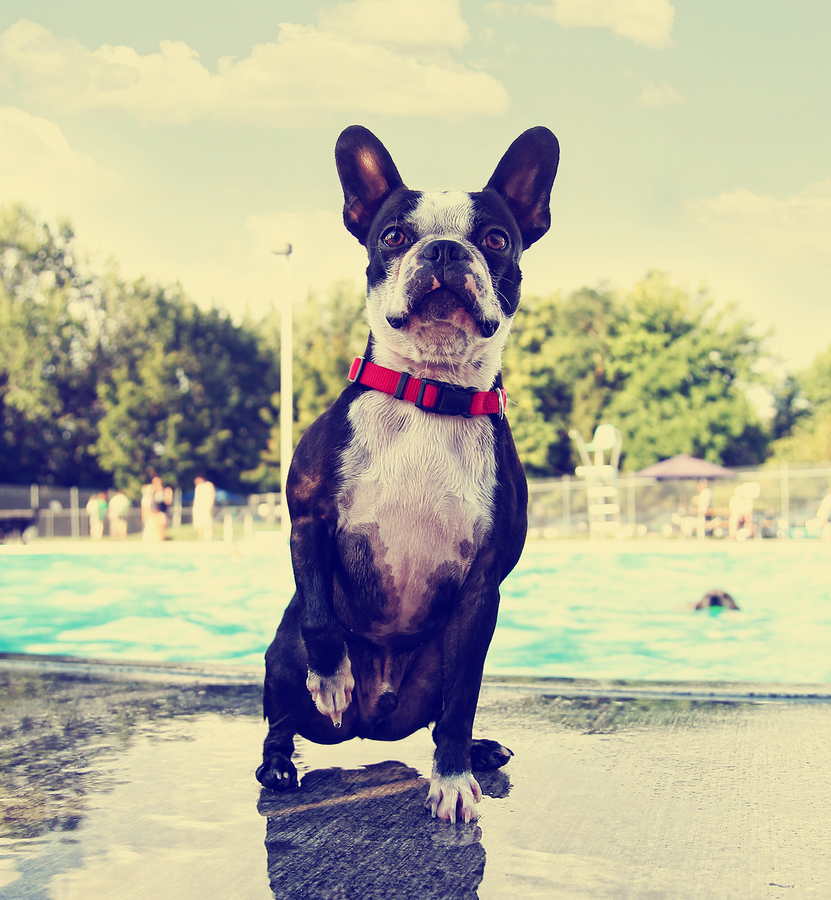
Adorable french bulldog seated on the beach